Planning a New Bathroom? Here’s What Most Homeowners Overlook
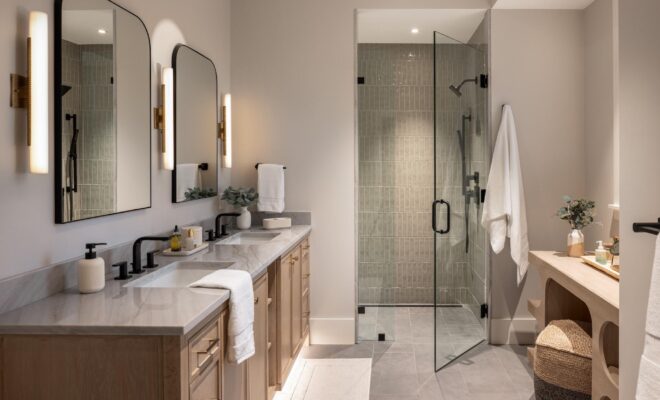
Planning a bathroom renovation is an exciting opportunity to create a space that is both practical and stylish. Many homeowners spend hours choosing tiles, comparing colour schemes, and browsing the latest design trends. However, while aesthetics often take centre stage, some of the most important elements of a successful bathroom project are frequently overlooked. Whether you are considering a simple refresh or investing in a Fully Fitted Bathroom, paying attention to the finer details can save time, money, and frustration later on.
Storage Matters More Than You Think
One of the most common mistakes homeowners make is underestimating their storage needs. A beautiful bathroom can quickly become cluttered if there is nowhere to store toiletries, cleaning products, spare towels, and everyday essentials.
Before finalising your design, think about how you use the space daily. Consider vanity units with built-in storage, recessed shelving, mirrored cabinets, or tall storage units that maximise vertical space. Good storage solutions help maintain a clean and organised environment while making the room more functional.
Lighting Should Be Planned Early
Lighting is often treated as an afterthought, but it plays a significant role in both the appearance and usability of a bathroom. A single ceiling light rarely provides enough illumination for all tasks.
A well-designed bathroom typically includes multiple layers of lighting. Task lighting around mirrors helps with shaving, applying makeup, and grooming. Ambient lighting creates a welcoming atmosphere, while accent lighting can highlight design features and add a touch of luxury.
Considering lighting requirements at the planning stage allows for better placement of wiring and fixtures, reducing the need for costly adjustments later.
Ventilation Is Essential
Bathrooms naturally generate a great deal of moisture, making proper ventilation crucial. Without adequate airflow, condensation can build up, leading to mould growth, unpleasant odours, and long-term damage to paintwork and surfaces.
Many homeowners focus on visible design elements while overlooking ventilation systems. Investing in a quality extractor fan and ensuring sufficient airflow can protect your bathroom and improve indoor air quality. This simple consideration can significantly extend the lifespan of your renovation.
Think Beyond Current Needs
When designing a bathroom, it is easy to focus solely on present-day requirements. However, thinking ahead can make the space more practical and adaptable in the future.
Features such as walk-in showers, wider access points, non-slip flooring, and easy-to-reach storage can improve usability for people of all ages. Even if accessibility is not currently a concern, incorporating future-friendly design elements can add long-term value and convenience.
Plumbing Layout Can Affect Costs
Many homeowners are surprised by how much the plumbing layout influences renovation costs. Moving a toilet, bath, or shower to a completely different location often requires extensive plumbing work, increasing both labour and material expenses.
While major layout changes are sometimes necessary, keeping key fixtures close to existing plumbing connections can help control costs without compromising the overall design. Discussing layout options with professionals early in the process can help identify practical solutions.
Quality Materials Offer Better Value
Budget considerations are important, but choosing the cheapest materials is not always the most economical decision. Bathrooms are exposed to constant moisture, temperature changes, and daily wear and tear.
Durable flooring, quality fittings, reliable taps, and moisture-resistant surfaces generally perform better over time. Investing in materials designed specifically for bathroom environments can reduce maintenance requirements and help avoid premature replacements.
Electrical Planning Deserves Attention
Modern bathrooms often contain more electrical features than homeowners initially realise. Heated mirrors, electric showers, underfloor heating, illuminated cabinets, and charging points all require careful planning.
Considering electrical requirements early ensures sufficient power outlets and proper positioning of switches and fixtures. It also helps ensure compliance with safety regulations, which are particularly important in wet environments.
Don’t Forget Practical Maintenance
A bathroom may look stunning on installation day, but how easy will it be to clean and maintain over the years?
Large-format tiles can reduce grout lines, making cleaning simpler. Wall-mounted toilets and floating vanity units can improve access for cleaning underneath. Choosing surfaces that resist staining and water damage can also reduce ongoing maintenance efforts.
Considering these practical aspects during the planning stage often leads to greater satisfaction in the long run.
Conclusion
A successful bathroom renovation involves much more than selecting attractive finishes and following the latest trends. Careful consideration of storage, lighting, ventilation, plumbing, accessibility, materials, electrical requirements, and long-term maintenance can make a significant difference to the final result. By focusing on these often-overlooked details from the outset, homeowners can create a bathroom that not only looks impressive but also functions efficiently for years to come. Thoughtful planning helps avoid costly surprises, improves daily comfort, and ensures your investment delivers lasting value.