How Fuel Card Transaction Reporting Works and What Data Businesses Can Access
Managing fuel expenses is a critical part of running any business with vehicles on the road. Whether it is a small fleet or a large-scale logistics operation, keeping track of fuel usage, costs, and efficiency can quickly become complex. Fuel card transaction reporting provides a structured and reliable way to monitor this activity, offering businesses clear visibility and control over their fuel-related spending.
Understanding how these reporting systems work and what type of data they provide can help businesses make more informed decisions, reduce unnecessary costs, and improve operational efficiency.
What Is Fuel Card Transaction Reporting?
Fuel card transaction reporting refers to the process of recording, organising, and analysing every purchase made using a fuel card. Each time a driver refuels, the transaction is logged digitally, creating a detailed record that can be accessed by the business in real time or through scheduled reports. This reporting is often supported by advanced fuel card management services, which provide businesses with centralised dashboards and automated insights. These tools simplify the process of tracking fuel expenses, allowing managers to review transactions without relying on manual records or receipts. By converting everyday fuel purchases into structured data, businesses gain a clear and consistent overview of their fuel usage.
How the Reporting Process Works
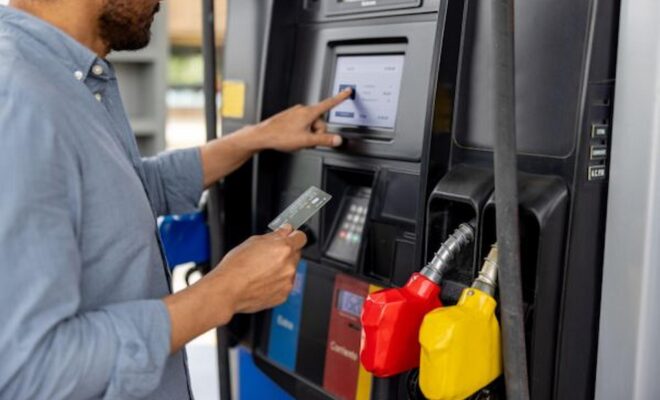
The process begins when a driver uses a fuel card at an authorised filling station. Unlike cash or standard card payments, fuel cards are designed specifically for fuel-related transactions and often require additional information at the point of sale, such as a vehicle registration number or driver ID. Once the transaction is completed, the data is transmitted to the fuel card provider’s system. This information is then processed and stored securely, becoming part of a detailed transaction log.
Businesses can access this data through online portals or receive it in the form of regular reports. Many systems allow customisation, enabling users to filter information by date, vehicle, driver, or location. This flexibility makes it easier to identify patterns and monitor performance across the fleet.
Key Data Captured in Fuel Card Reports
Fuel card transaction reporting goes beyond simple purchase records. It captures a wide range of data points that provide deeper insights into how fuel is being used.
Some of the most common data included in reports are:
- Transaction date and time
This helps businesses understand when fuel is being purchased and identify any unusual patterns, such as refuelling outside working hours. - Location of purchase
Knowing where fuel is bought allows businesses to monitor route efficiency and ensure drivers are using approved stations. - Fuel type and quantity
This ensures that the correct fuel is being used for each vehicle and helps track consumption levels. - Cost per litre and total transaction value
Detailed pricing information supports accurate budgeting and cost analysis. - Vehicle and driver identification
Linking transactions to specific vehicles and drivers improves accountability and enables performance tracking.
These data points combine to create a comprehensive picture of fuel usage across the organisation.
Benefits of Real-Time Data Access
One of the most valuable aspects of fuel card reporting is the ability to access data in real time. Instead of waiting for monthly statements, businesses can monitor transactions as they happen.
This immediate visibility allows for quicker decision-making. For example, if unusual activity is detected such as excessive fuel usage or unexpected locations managers can investigate and address the issue promptly.
Real-time access also supports better cash flow management. By understanding current spending levels, businesses can adjust budgets and avoid surprises at the end of the billing cycle.
Improving Cost Control and Budgeting
Fuel expenses can represent a significant portion of operational costs, particularly for transport-heavy industries. Transaction reporting provides the transparency needed to manage these expenses effectively.
By analysing historical data, businesses can identify trends in fuel usage and pricing. This makes it easier to forecast future costs and set realistic budgets. It also highlights opportunities for savings, such as choosing more cost-effective refuelling locations or adjusting routes to reduce consumption. Accurate reporting eliminates guesswork, replacing it with data-driven insights that support financial planning.
Enhancing Driver Accountability
Fuel card reporting also plays a key role in promoting responsible driver behaviour. When each transaction is linked to a specific driver, it creates a clear record of individual activity.
This level of accountability can help reduce misuse, such as unauthorised purchases or excessive refuelling. It also encourages drivers to adopt more efficient habits, knowing their activity is being monitored.
In addition, businesses can use this data to recognise and reward efficient driving practices, contributing to a more motivated and responsible workforce.
Supporting Compliance and Record-Keeping
Maintaining accurate financial records is essential for compliance with tax and regulatory requirements. Fuel card transaction reporting simplifies this process by providing organised, digital records of every purchase.
These reports can be easily integrated into accounting systems, reducing administrative workload and minimising the risk of errors. Detailed transaction logs also make it easier to prepare for audits, as all necessary information is readily available.
By replacing paper receipts and manual tracking, businesses can streamline their record-keeping processes and improve overall efficiency.
Identifying Operational Inefficiencies
Beyond financial management, fuel card data can reveal insights into broader operational performance. By analysing patterns in fuel usage, businesses can identify inefficiencies that may not be immediately obvious.
For example, frequent refuelling at certain locations might indicate suboptimal route planning. Similarly, higher-than-average fuel consumption for specific vehicles could point to maintenance issues or inefficient driving styles.
Addressing these inefficiencies can lead to improved performance, reduced costs, and a more sustainable operation overall.
Custom Reporting and Data Integration
Modern fuel card systems often offer custom reporting features, allowing businesses to tailor reports to their specific needs. Users can select the data points that matter most and generate reports that align with their operational goals.
Many systems also integrate with other business tools, such as fleet management software or accounting platforms. This integration creates a seamless flow of information, enabling businesses to combine fuel data with other operational metrics.
As a result, decision-makers gain a more holistic view of their operations, supporting better strategic planning.
Conclusion
Fuel card transaction reporting transforms everyday fuel purchases into valuable business intelligence. By capturing detailed data on each transaction, these systems provide clarity, control, and insight into fuel usage and spending. From improving cost management and driver accountability to supporting compliance and identifying inefficiencies, the benefits are wide-ranging. Businesses that understand and utilise this data effectively are better positioned to optimise their operations and make informed decisions. In a landscape where efficiency and transparency are increasingly important, fuel card reporting offers a practical and reliable solution for managing one of the most essential aspects of fleet operations.